What Buy Card Markets Actually Sell
Dark web marketplaces that advertise buy card services typically offer three categories of stolen payment data: full credit card dumps (card number, expiration date, CVV), hacked PayPal account credentials, and cloned card Visa or Mastercard details. Vendors claim these come from data breaches, skimming operations, or phishing campaigns. The listings often include supposed verification details like the cardholder's name, address, and phone number. In reality, much of this data is recycled from old breaches, already flagged by banks, or entirely fabricated. Buyers attempting to use these cards for purchases discover within hours that the card is either already blocked or was never valid to begin with.
The Vendor Scam Layer
Even when stolen card data exists, the vendor-to-buyer relationship on these markets is fundamentally adversarial. A buyer sends cryptocurrency to purchase a batch of card details, then receives a text file or screenshot. The vendor disappears, the buyer tests the card on a small purchase, and it declines. By then, the cryptocurrency is gone and the transaction is irreversible. Some vendors operate a longer con: they sell the same card data to multiple buyers, knowing that only the first person to use it will succeed. Others sell data they know is already burned, having been circulated through multiple forums and flagged by fraud detection systems. Escrow systems on some markets offer limited protection, but vendors often have high reputation scores from fake reviews or from buyers too embarrassed to dispute the transaction.
Credit Card Dumps and PayPal Transfer Schemes
Credit card dumps refer to the full magnetic stripe data from a card, historically used to create physical clones. Vendors advertising credit card dumps paypal transfer btc or similar combinations are typically running a bait-and-switch. They claim you can use the dump to transfer funds from a hacked PayPal account to Bitcoin, but this requires either the account password (which they don't provide) or physical card cloning hardware (which is expensive and detectable). The promised prepaid cards that supposedly arrive with loaded balances are almost never sent. Even if a buyer receives a physical card, it is either blank, already reported stolen, or loaded with a trivial amount. Law enforcement has documented cases where buyers paid thousands in cryptocurrency for card data that was worthless within minutes of purchase.
How Deep Web Credit Card Sites Get Shut Down
Deep web credit card sites operate under constant surveillance from law enforcement and financial crime units. The FBI, Secret Service, and Europol have seized multiple marketplaces dedicated to selling stolen payment data, including operations that ran for years. These seizures typically follow a pattern: undercover agents or informants infiltrate the market, build a case against the administrators and top vendors, and execute coordinated arrests across multiple countries. The marketplace is then taken offline, and the seized servers become evidence. Vendors often relocate to new forums or rebrand under different names, but the buyer base shrinks each time because trust erodes. The remaining markets become increasingly populated by scammers posing as vendors, since legitimate fraud operations are riskier and less profitable than they once were.
Reality Layer: Why These Markets Persist Despite Failure Rates
According to Tor Project documentation on onion service abuse, marketplaces that sell stolen financial data remain online because the barrier to entry for running one is low and the anonymity of Tor makes prosecution difficult. Law enforcement press releases from financial crime units consistently note that carding forums attract new buyers because the promise of cheap access to payment methods appeals to people in financial desperation or those seeking quick fraud profits. Court records from prosecutions of marketplace administrators show that even markets with 80-90 percent scam rates continue operating because a small percentage of transactions succeed, generating enough revenue to keep servers running and vendors incentivized. Security vendor incident reports document that stolen card data loses value rapidly as banks flag compromised numbers, meaning vendors must constantly source new dumps to maintain inventory. This creates a cycle where buyers keep returning hoping to find fresh data, and scammers keep returning because the cost of running a fake vendor account is near zero.
How Cloned Card Visa Fraud Actually Works
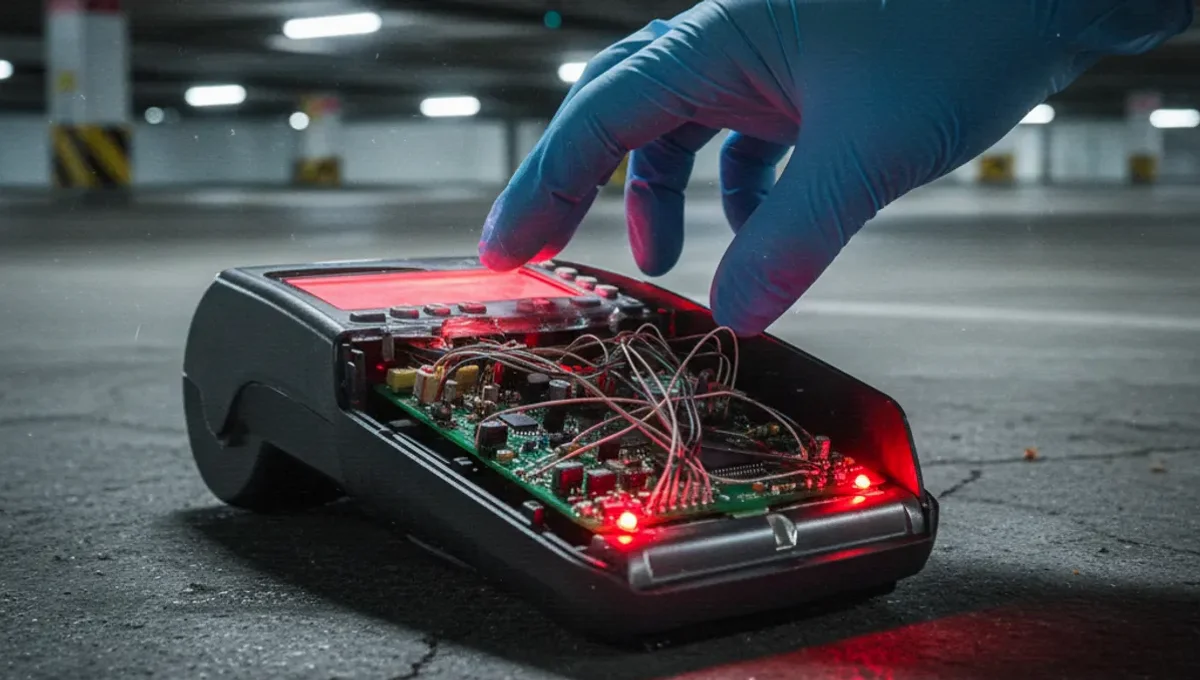
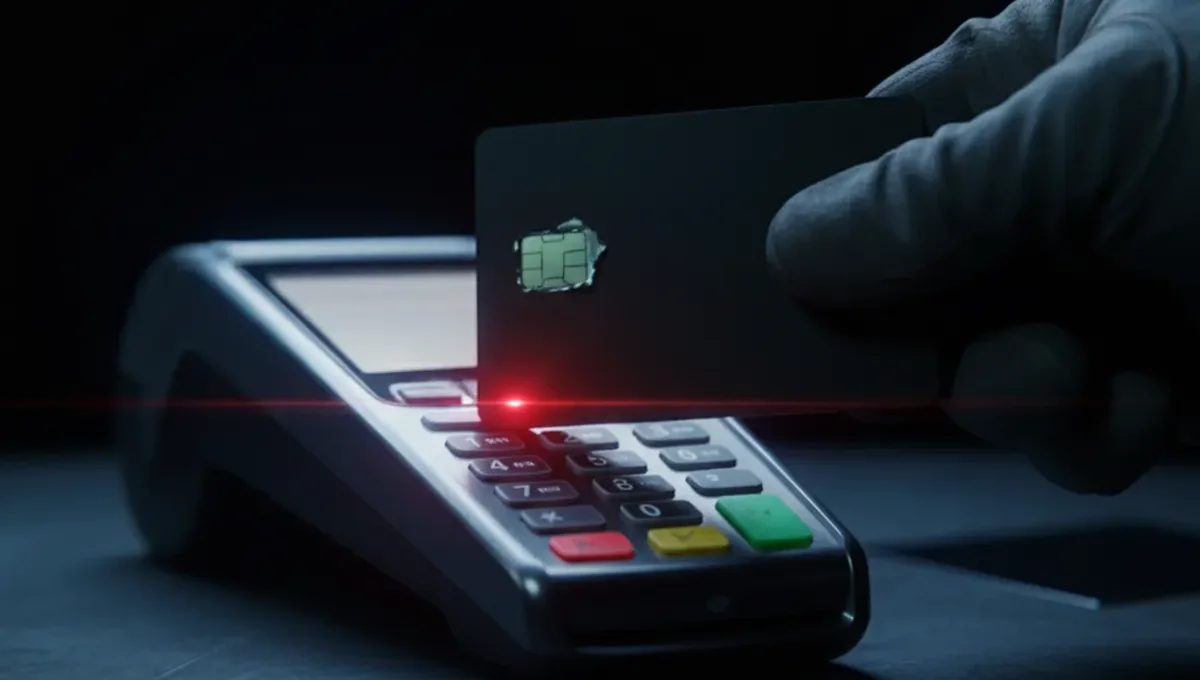
Cloned card Visa fraud requires two things: stolen magnetic stripe data and the equipment to encode it onto a blank card. Vendors on dark web forums sometimes advertise this service, claiming they will clone your purchased card data and ship you a working card. In practice, this almost never happens. Cloning equipment is expensive, requires technical skill, and creates a physical trail that law enforcement can follow. Vendors who do attempt it face immediate detection when the card is used, because Visa's fraud detection systems flag cloned cards within the first transaction. Even if a cloned card works for a single purchase, the cardholder's bank reverses the charge within days, and the merchant is liable. Buyers who attempt to use cloned cards for high-value purchases are often caught on store security cameras, creating evidence for prosecution.
Protecting Yourself From Carding Fraud Victimization
If you are a cardholder concerned about your own payment data being compromised, the protective steps are straightforward and do not require dark web access. Monitor your credit card and bank statements weekly for unauthorized charges. Set up fraud alerts with your bank and enable transaction notifications for all purchases. Use a credit monitoring service to check for new accounts opened in your name. If you discover unauthorized activity, contact your card issuer immediately and request a chargeback. Most banks reverse fraudulent charges within 30 days. For PayPal accounts, enable two-factor authentication and use a unique, strong password. If your account is compromised, PayPal's buyer protection covers most unauthorized transactions. The key insight is that you are not responsible for losses from stolen data if you report them promptly; the bank and payment processor absorb the cost.
Why Buying Card Data Is a Losing Proposition
The fundamental reason buy card schemes fail is that stolen payment data has a shelf life measured in hours or days. Once a card is reported stolen or a data breach is discovered, banks flag the card and it becomes useless. Vendors know this, which is why they sell in bulk and at low prices: they are liquidating inventory before it expires. A buyer who purchases a batch of 10 card dumps for cryptocurrency will find that perhaps one or two work for a single transaction before being declined. The buyer has now spent money on cryptocurrency, paid transaction fees, and wasted time for a net loss. The only parties who profit consistently are the marketplace operators who take a percentage of each transaction, and the scammers who sell fake data. Anyone else is gambling against a system designed to extract money from them.
Frequently asked questions
Can you actually buy working credit cards on the dark web
No. While listings exist, the vast majority are either scams or sell data that is already flagged by banks. Even if a card number is valid initially, it becomes useless within hours as fraud detection systems block it. Buyers lose cryptocurrency with no recourse.
What happens if you buy a cloned card from a dark web vendor
You will either receive nothing, or a card that does not work. Cloning requires expensive equipment and creates a physical trail. Vendors who attempt it face immediate detection when the card is used, and the transaction is reversed by the bank within days.
How do law enforcement shut down buy card marketplaces
Undercover agents infiltrate markets, build cases against administrators and vendors, and execute coordinated arrests. Seized servers become evidence. Marketplaces relocate, but buyer trust erodes each time, making them less profitable and more populated by scammers.
Is it illegal to buy stolen credit card data
Yes. Purchasing stolen payment data is wire fraud and identity theft in most jurisdictions. Prosecution carries federal charges and prison time. Even attempting to use a single card can result in criminal charges.
What should I do if my credit card was stolen
Contact your card issuer immediately and request a chargeback for unauthorized charges. Most banks reverse fraudulent transactions within 30 days at no cost to you. Enable fraud alerts and monitor your statements weekly going forward.