What Card Cloning Is and How It Differs from Other Fraud
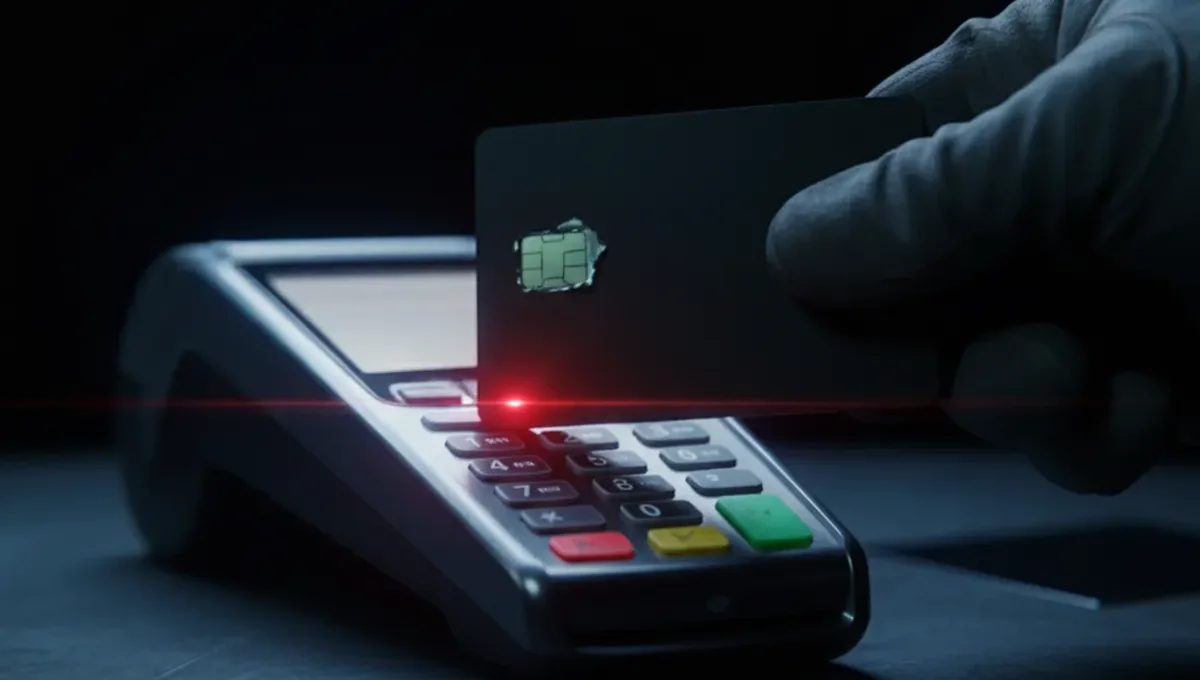
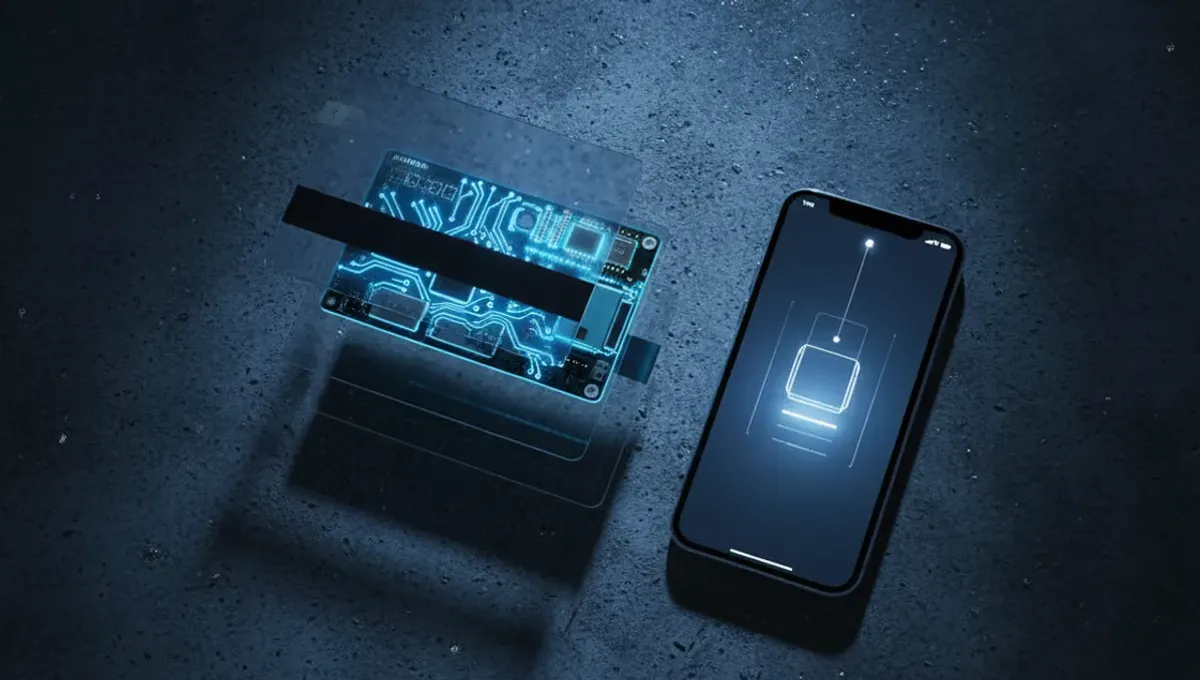
Card cloning is the process of copying data from a legitimate credit or debit card onto a blank card or using that data to make unauthorized online purchases. The cloned card contains the same account number, expiration date and CVV as the original, allowing a fraudster to spend money as if they were the cardholder. This differs from simple card theft, where a physical card is stolen, because the original cardholder still has their card and may not notice fraud for days or weeks. Cloning typically requires either a data breach that exposes card details, a skimming device that reads card information at a point of sale, or purchase of stolen card data from a dark web marketplace. The stolen data is then encoded onto a blank card using a magnetic stripe writer, or used directly for card-not-present transactions online.
Where Cloned Cards Are Sold and Advertised
Dark web marketplaces and forums have historically served as distribution channels for cloned cards, hacked PayPal accounts, and other compromised financial credentials. These sites typically organize listings by card type, issuing bank, country of origin and balance. Vendors claim to sell fresh dumps (raw card data) or fullz (complete identity packages including name, address and card details). Prices vary based on card type, with premium cards commanding higher rates. The actual reliability of these listings is extremely low; many are scams where buyers send cryptocurrency and receive nothing, or receive data that has already been reported and blocked. Law enforcement agencies worldwide have shut down major marketplaces, but new forums and mirror sites emerge regularly. The dark web's anonymity attracts both criminals and undercover investigators, making any transaction on these platforms a significant legal and financial risk.
How Card Data Enters the Dark Web Market
Cloned card data reaches dark web sellers through several routes. Large-scale data breaches of retail chains, payment processors or financial institutions expose millions of card numbers at once. Organized crime groups purchase these datasets in bulk and resell them in smaller batches on dark web forums. ATM skimming devices and point-of-sale malware capture card information during legitimate transactions, which is then harvested and sold. Insiders at banks, payment companies or retailers sometimes leak customer data directly. Phishing campaigns trick users into entering card details on fake websites, and that information is collected and monetized. Once card data is on the dark web, it circulates through multiple resellers, each taking a cut. By the time a buyer purchases a cloned card or card dump, the data may have been compromised for months, increasing the chance it has already been reported and deactivated by the issuing bank.
Reality Layer: How Fraud Detection and Law Enforcement Actually Work
The Tor Project documentation emphasizes that dark web anonymity protects users from passive surveillance but does not guarantee immunity from targeted investigation or transaction analysis. This matters because law enforcement agencies have successfully traced cryptocurrency payments and identified marketplace operators by analyzing blockchain records and correlating them with other investigative leads. Court records from prosecutions of dark web marketplace operators show that even experienced criminals make operational security mistakes, such as reusing usernames across platforms or failing to properly isolate their personal identity from their criminal operations. Security vendor incident reports consistently document that the majority of cloned cards sold on dark web markets are either already deactivated by the issuing bank, duplicates of data sold multiple times over, or honeypots set up by law enforcement. Banks and payment networks use machine learning to detect unusual spending patterns, geographic inconsistencies and velocity fraud, blocking most cloned card transactions within minutes. Understanding these realities means recognizing that buying cloned cards is not only illegal but also economically irrational for most buyers, since the card is likely to be declined or the transaction reversed within hours.
Why Victims of Card Cloning Often Don't Recover Losses
When a cloned card is used, the cardholder's bank or credit card issuer typically covers the fraudulent charges under consumer protection laws, provided the fraud is reported promptly. However, the process is slow and disruptive. The victim must dispute each transaction, provide documentation, and wait for the bank's investigation, which can take 30 to 90 days. During this time, the cardholder's account may be frozen, affecting their ability to make legitimate purchases. If the victim fails to report the fraud within the required window (often 60 days), they may lose protection and be liable for the full amount. People who knowingly buy cloned cards or hacked PayPal accounts face a different outcome: they have no consumer protection and no recourse if the seller disappears or the card is blocked. Cryptocurrency payments used to purchase stolen financial data are irreversible, meaning once the money is sent, it cannot be recovered even if the seller never delivers. This asymmetry is why dark web financial fraud markets persist despite high failure rates; sellers have little incentive to deliver, and buyers have no legal remedy.
Recognizing Phishing Clones and Fake Marketplaces
Dark web marketplaces are frequently cloned by scammers who create fake sites with nearly identical names and layouts to the legitimate marketplace. A user intending to visit a known forum might accidentally land on a phishing clone and deposit cryptocurrency into an address controlled by the scammer. Verifying the authenticity of any dark web site requires checking PGP-signed announcements from the marketplace operator, comparing the onion address against multiple independent sources, and confirming that the site's security certificate matches the operator's published key. Many users rely on word-of-mouth or forum posts to find marketplaces, but these sources are themselves often compromised or misleading. The Tor Project's official resources and independent security researchers publish guidance on how to verify onion addresses, but this information is not widely known. Phishing clones are particularly effective because they exploit the user's familiarity with a marketplace's interface, making the fake site feel legitimate. Even experienced dark web users have been victimized by clones because the visual difference is minimal and the user's attention is divided between multiple browser tabs and security concerns.
Legal Consequences and Why Buying Stolen Data Is a Serious Crime
Purchasing cloned cards, stolen credit card data, or hacked PayPal accounts is illegal in virtually all jurisdictions. In the United States, it violates the Computer Fraud and Abuse Act, the Identity Theft and Assumption Deterrence Act, and wire fraud statutes. Penalties include federal prison sentences of up to 15 years, substantial fines, and restitution to victims. Prosecutors do not need to prove that the buyer used the stolen data; possession and purchase alone constitute criminal conduct. Law enforcement agencies have successfully prosecuted individuals who bought small quantities of stolen financial data from dark web markets, demonstrating that the volume of fraud is irrelevant to criminal liability. International cooperation between law enforcement agencies means that a buyer in one country can be extradited and prosecuted in another. Cryptocurrency transactions, while pseudonymous, are not anonymous; blockchain analysis firms and law enforcement have developed techniques to trace payments and identify buyers. The risk of prosecution increases significantly when a buyer attempts to use the stolen data, because that creates additional evidence and involves multiple financial institutions in the investigation.
Protecting Yourself from Card Cloning and Fraud
The most effective protection against card cloning is monitoring your financial accounts regularly and setting up fraud alerts with your bank and credit card issuers. Review your statements weekly, not monthly, so you catch unauthorized charges quickly. Use a credit monitoring service or check your credit report annually to detect identity theft. When making purchases online, use a virtual card number or a payment service that does not expose your actual card details to the merchant. Enable two-factor authentication on your bank and email accounts, because email compromise often precedes financial fraud. At physical merchants, inspect card readers and ATMs for signs of tampering before inserting your card. Use ATMs in secure locations such as bank branches rather than convenience stores or gas stations. If you suspect your card has been compromised, contact your bank immediately and request a new card. Do not attempt to verify whether your card data is circulating on dark web markets by purchasing it yourself; instead, use legitimate data breach notification services or contact your bank if you have been notified of a breach affecting you.
Frequently asked questions
Can I get my money back if I buy a cloned card on the dark web
No. Cryptocurrency payments are irreversible, and you have no legal recourse against the seller. If the card is blocked or the data is already deactivated, you lose your money with no way to recover it. Banks and payment networks do not reimburse buyers of stolen financial data.
How do law enforcement find people who buy cloned cards
Law enforcement uses blockchain analysis to trace cryptocurrency payments, correlates transactions with marketplace activity, and conducts undercover operations on dark web forums. They also work with financial institutions to identify patterns of fraud and pursue leads through international cooperation agreements.
What is the difference between a cloned card and a card dump
A cloned card is a physical card with stolen data encoded onto it, ready to use at a point of sale. A card dump is raw data (card number, expiration date, CVV) sold as a file, typically used for card-not-present fraud online. Both originate from the same sources but are sold and used differently.
How long does it take to detect and block a cloned card
Modern fraud detection systems typically identify cloned card transactions within minutes by analyzing spending patterns, geographic location and velocity. Most cloned cards are blocked before the transaction completes or within hours of the first fraudulent charge.
Is buying cloned cards a federal crime
Yes. It violates multiple federal statutes including the Computer Fraud and Abuse Act and Identity Theft laws. Penalties include up to 15 years in prison, substantial fines and restitution, regardless of whether you actually use the stolen data.