What Were NZ Darknet Market Forums
NZ darknet market forums were online communities hosted on the Tor network, accessible only through the Tor Browser and typically requiring registration and sometimes cryptocurrency deposits. They served as marketplaces and discussion boards where users could buy and sell goods, exchange information about vendors, and coordinate transactions. Unlike surface web forums, these sites used onion addresses that changed periodically, required careful verification to avoid phishing clones, and operated without traditional legal oversight. Some forums functioned as general marketplaces similar to eBay on the dark web, while others specialized in specific product categories or served as reputation systems where vendors built trust through feedback. The forums typically charged fees for vendor accounts, took a percentage of transactions, or operated on a donation model. Users communicated through encrypted messaging, PGP-signed posts, and pseudonymous accounts with no connection to their real identities.
How These Forums Operated
A typical NZ darknet market forum worked through a simple but fragile system. Users would register with a username and password, deposit cryptocurrency into an escrow wallet controlled by the forum administrators, and then browse vendor listings or post their own offers. Vendors built reputation scores based on transaction history and user reviews, similar to feedback systems on legitimate e-commerce sites. The forum software often included dispute resolution mechanisms where administrators acted as arbiters if a buyer claimed non-delivery or a vendor claimed non-payment. Transactions were usually conducted off-forum through encrypted messaging or direct contact, with the forum serving mainly as a meeting place and reputation tracker. Administrative teams maintained server infrastructure, moderated discussions, and managed the escrow system. Many forums also hosted discussion threads about security practices, law enforcement news, and operational security (OpSec) tips. However, this decentralized trust model meant that if administrators disappeared or were compromised, users had no recourse and could lose their deposited funds entirely.
Why Users Trusted or Distrusted These Forums
Trust in NZ darknet market forums depended on several factors that users monitored closely. A forum's longevity mattered: if it had operated for months or years without a known exit scam, users assumed it was more legitimate. Vendor reputation was crucial, with long-standing vendors with hundreds of positive reviews commanding higher prices and attracting more buyers. Forum administrators who were known by pseudonym across multiple platforms and had a track record of fair dispute resolution earned credibility. However, trust was always provisional. Users regularly discussed rumors of administrator compromise, law enforcement infiltration, or planned exit scams in related deep web forums links and community spaces. Many forums eventually lost user confidence after a single high-profile scam, a data breach, or news that law enforcement had seized the servers. Phishing clones, where scammers created fake versions of popular forums with similar onion addresses, were a constant threat that eroded trust further. The best deep web market forums typically published PGP-signed announcements on multiple channels to prove their authenticity and warn users about fakes.
Law Enforcement Actions and Seizures
Several NZ-linked darknet market forums have been targeted by law enforcement agencies, including the New Zealand Police, the FBI, and Europol. When authorities identify a forum's server location or obtain access through informants or technical investigation, they typically seize the infrastructure, arrest administrators, and publish press releases detailing the operation. These actions usually result in the loss of all user funds held in escrow, as seized cryptocurrency is treated as evidence or proceeds of crime. Court records from past cases show that administrators often face charges related to money laundering, facilitating drug trafficking, or operating an unlicensed financial service. The legal consequences extend to users in some jurisdictions: possessing evidence of transactions on a seized forum can be used in prosecutions for drug possession or fraud, even if the user was not the primary target. Public law-enforcement press releases about darknet forum seizures typically emphasize the volume of drugs or weapons recovered, the number of users affected, and the duration of the operation. These actions have a chilling effect on forum operations, as administrators become aware that even Tor hosting and cryptocurrency do not guarantee immunity from prosecution.
How Phishing Clones and Scams Exploited Forum Names
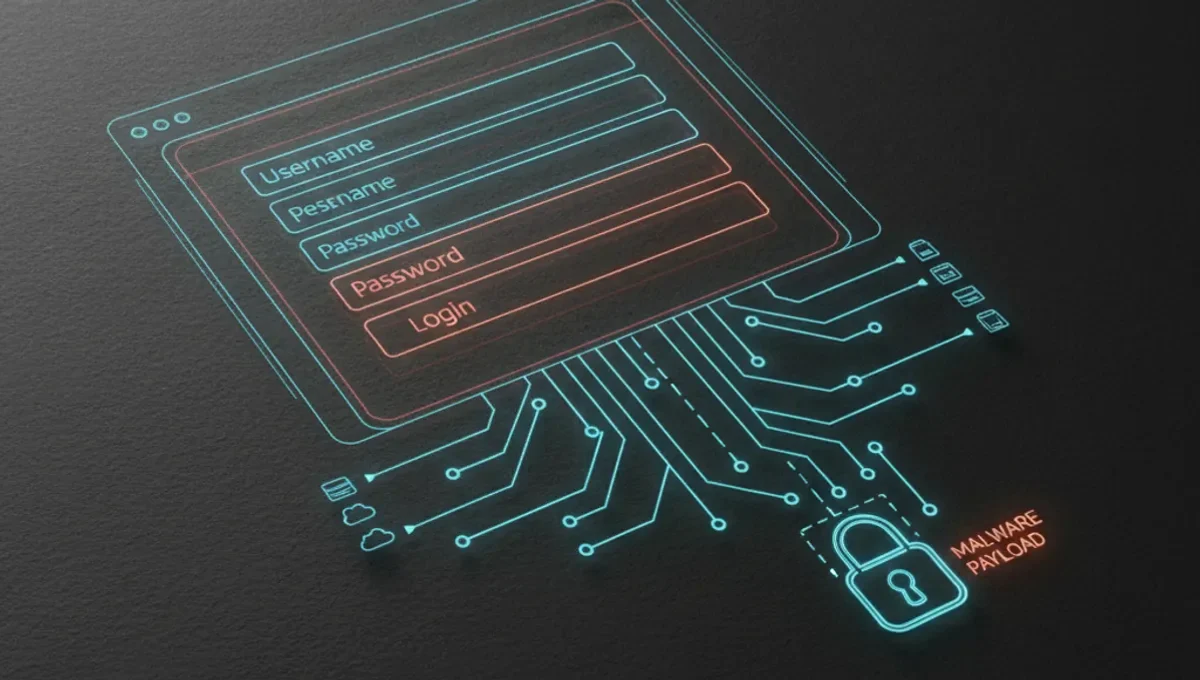
Phishing clones of popular NZ darknet market forums were a major source of user losses. Scammers would register similar onion addresses (for example, changing one letter or adding a number) and copy the entire design and user interface of a legitimate forum. New or careless users would deposit cryptocurrency into the fake forum's escrow wallet, only to discover after days or weeks that the site had disappeared and their funds were gone. The scammers sometimes operated the clone for weeks, building a small reputation, before executing the exit scam. Legitimate forum administrators fought back by publishing PGP-signed announcements on multiple channels, including Reddit, Twitter, and other darknet forums, listing their official onion addresses and warning users about known clones. However, many users did not verify these signatures or check multiple sources, making them vulnerable. The problem was compounded by the fact that onion addresses are long, random strings of characters that are difficult to memorize or verify by eye. Users who bookmarked a cloned address or found it through a search engine had no way to know it was fake until they lost money. This dynamic created a vicious cycle where trust in the entire ecosystem declined, and users became more cautious about depositing funds.
Reality Check: How the Ecosystem Actually Behaves
Several documented patterns show how darknet market forums actually operate in practice, distinct from how they are often portrayed. First, according to Tor Project documentation on onion service security, the technical anonymity of Tor does not prevent law enforcement from identifying server locations through traffic analysis, subpoenaing hosting providers, or using informants. This means that even forums that appear stable can be seized without warning. Second, security-vendor incident reports on darknet marketplace breaches consistently show that administrator theft and exit scams are more common than external hacks, because the administrators themselves control the escrow funds and have the most to gain from disappearing. Third, court records from prosecutions of darknet forum operators show that many administrators kept detailed logs of user activity, transaction history, and IP addresses despite claims of anonymity, creating a liability for users if the forum is seized. Fourth, academic research on onion services shows that the average lifespan of a darknet marketplace is between 2 and 5 years before it is seized, voluntarily closed, or exits with user funds. These realities matter because they show that participating in these forums carries real legal and financial risks that cannot be fully mitigated by technical anonymity alone.
Safer Alternatives and Verification Practices
If you are researching darknet forums for security awareness or academic purposes, there are safer ways to verify information without depositing funds or exposing yourself to scams. Use the Useful Resources page of this site to find links to official Tor Project documentation, law-enforcement press releases about seizures, and archived news articles about specific forums. PGP-signed announcements from forum administrators are published on multiple channels and can be verified using the administrator's public key, which should be consistent across sources. Never trust a single onion address or forum link; cross-reference multiple sources and check for recent updates. If you encounter a forum claiming to be a NZ darknet market, verify its claimed history by searching for news articles about it, law-enforcement actions, or security researcher reports. Be aware that many forums that claim to be active are actually honeypots operated by law enforcement or scams designed to steal deposits. The safest approach is to treat all darknet forums as high-risk and assume that any forum could be seized, exit scam, or be a phishing clone. If you must interact with these spaces for research or security monitoring, use a dedicated virtual machine, keep no funds on deposit, and assume that all your activity is logged and could be used against you in a prosecution.
What This Means for Your Security Today
Understanding how NZ darknet market forums operated and failed teaches a broader lesson about trust, anonymity, and financial risk on the dark web. The core takeaway is that technical anonymity does not equal safety, and that communities built on pseudonymity and escrow systems are inherently fragile because they depend on the good faith of administrators who have every incentive to steal. If you are concerned about your own data or financial security, the lesson is to avoid depositing money into any unregulated online platform, whether on the surface web or the dark web. If you are researching these topics for security awareness or academic purposes, use public sources like law-enforcement announcements, court records, and archived news rather than accessing active forums. If you suspect you have been scammed or your data has been compromised through a darknet forum, report it to your local law enforcement agency and consider contacting a cybersecurity incident response firm. Start today by reviewing the security practices section of this site to understand how to protect your own anonymity and data, and bookmark the Useful Resources page for verified links to official documentation and news sources about darknet activity.
Frequently asked questions
Are NZ darknet market forums still operating
The status of specific forums changes frequently due to law-enforcement seizures, exit scams, and voluntary closures. Rather than assume any forum is currently active, check recent news articles and law-enforcement press releases to verify the current state. Many forums that were active years ago have been seized or have disappeared with user funds.
How do I know if a darknet forum is a phishing clone
Verify the onion address against multiple independent sources, including PGP-signed announcements from the forum's administrators published on different platforms. Check the address character by character, as clones often differ by one or two letters. If the forum is asking you to deposit funds immediately or has no transaction history visible, it is likely a scam.
What happens if I lose money on a darknet market forum
If the forum is seized by law enforcement, your funds are typically treated as evidence and may not be returned. If the forum exits with your funds, you have no legal recourse because these platforms operate outside regulated financial systems. The only prevention is to avoid depositing money into unverified or high-risk forums.
Can law enforcement trace my activity on a darknet forum
Yes. While Tor provides anonymity from network observers, law enforcement can identify forum servers through technical investigation, seize the infrastructure, and access logs of user activity if they exist. Additionally, operational security mistakes by users, such as reusing usernames or revealing personal information, can lead to deanonymization.
Why do darknet forums keep getting shut down
Darknet forums are targeted by law enforcement because they facilitate illegal transactions and money laundering. When authorities identify a server location or obtain cooperation from insiders, they seize the infrastructure and prosecute administrators. The decentralized nature of the dark web means new forums emerge, but the cycle of operation and seizure continues.