What Counts as a Deep Web Hack
A deep web hack is not a single category. When someone says their account was hacked on the dark web, they usually mean one of these scenarios: a marketplace or forum suffered a data breach and user credentials were leaked; they reused a password across multiple sites and one was compromised; they clicked a phishing link that looked like the real onion address but was a clone; or they downloaded malware disguised as a tool or file.
The best deep web security starts with understanding that the Tor network itself is not the vulnerability. Tor is a routing protocol that obscures your IP address and location. What gets hacked is the service running on top of Tor, or the person using it. A marketplace operator might be arrested and their database seized by law enforcement. A forum might suffer a SQL injection attack. A user might paste their private key into a malicious website. None of these are failures of Tor; they are failures of operational security or the service provider.
How Phishing and Clones Work on Onion Services
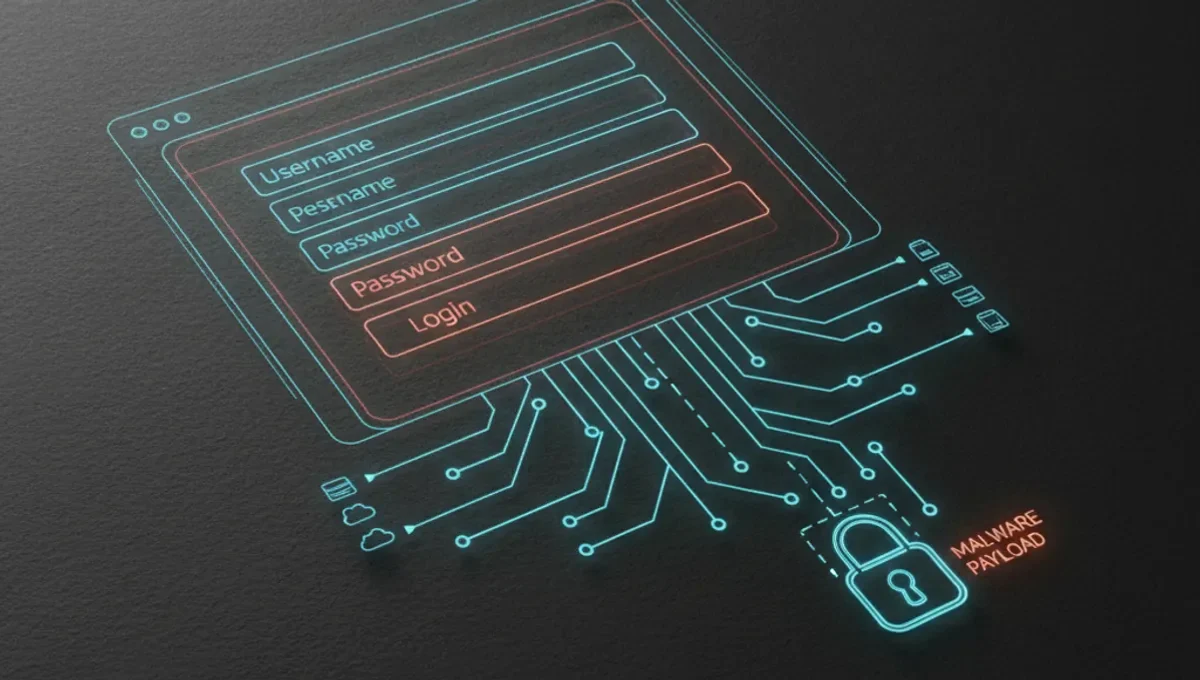
Phishing is the most common attack vector on the dark web. An attacker registers a new onion address that is visually similar to a popular marketplace or forum. They copy the HTML and CSS from the real site, then host it on their own server. When users arrive at the clone, they see a login page that looks identical to the original. If they enter their username and password, the attacker captures those credentials.
Onion addresses are long, random strings of characters. Most users do not memorize them or verify them cryptographically. Instead, they bookmark a link or copy it from a forum post. If that link is wrong by even one character, they land on a clone. The attacker then waits for users to log in, harvests credentials, and either sells them or uses them to steal funds or data from the real marketplace. This is why the Tor Project and security researchers emphasize verifying onion addresses through PGP-signed announcements, not by trusting a link alone.
Common Attack Vectors and User Mistakes
The best deep web links and top deep web resources are useless if you do not practice basic operational security. Here are the most common ways people compromise themselves:
- Using the same password across multiple onion services or between the dark web and the surface web
- Clicking links from forum posts or chat messages without verifying the onion address independently
- Running JavaScript in the Tor Browser (which can leak your real IP address)
- Downloading files and opening them without checking file hashes or signatures
- Maximizing the Tor Browser window to full screen, which allows websites to fingerprint your screen resolution and identify you
- Logging into multiple accounts from the same Tor circuit without restarting the browser
- Assuming that being on the dark web makes you anonymous by default
Each of these mistakes has led to real compromises. A user might think they are accessing the best deep web market, but they are actually on a clone. Another user might download a tool that contains keylogger malware. A third might be identified through browser fingerprinting and deanonymized by law enforcement.
Reality Layer: How the Ecosystem Actually Fails
Understanding how deep web hacks actually happen requires looking at three documented patterns:
Law enforcement seizures and database leaks. When a major marketplace is shut down by law enforcement, the database of user records is sometimes leaked or sold. This happened with several high-profile darknet markets. The Tor Project documentation notes that onion services have no inherent protection against law enforcement; they are just harder to locate. When a server is seized, all data on it is compromised. This matters because it means your account on a marketplace is only as secure as the operator's infrastructure and their willingness to keep logs.
Exit scams and insider theft. Court records and security-vendor incident reports show that marketplace operators sometimes steal all customer funds and disappear. This is not a hack in the technical sense, but it is a compromise of user assets. The operator has access to all wallets and can drain them. This matters because it shows that trusting a marketplace with your cryptocurrency is a business risk, not just a security risk.
Phishing and social engineering at scale. Academic research on onion services documents that phishing clones are the most effective attack against darknet users. Attackers do not need to break into the real site; they just need to trick users into logging into a fake one. This matters because it means your security depends entirely on your ability to verify addresses, not on the strength of your password.
How to Verify Onion Addresses and Avoid Clones
Verification is the core defense against phishing on the dark web. Here is how to do it correctly:
- Find the official onion address from a PGP-signed announcement, not from a link or a forum post
- Check the PGP signature using the official public key of the service (usually published on their clearnet website)
- Copy and paste the onion address directly into the Tor Browser address bar; do not click a link
- Check that the address matches exactly, character for character
- Bookmark the address in your browser and use the bookmark every time you visit
- If the site is down, do not search for an alternative link; wait or check the official channels
Many users skip these steps because they are tedious. They assume that if a site looks right and works, it must be real. This assumption has cost people money and credentials. The best deep web links are the ones you verify yourself, not the ones you find in a search result or a recommendation.
Protecting Your Accounts and Data
Once you have verified an onion address and created an account, your security depends on these practices:
- Use a unique, randomly generated password for each service; store it in an offline password manager
- Enable two-factor authentication if the service offers it
- Do not reuse usernames across services; use a different username for each account
- Do not link your darknet accounts to your surface-web identity in any way
- Do not maximize the Tor Browser window; leave it at the default size to avoid fingerprinting
- Disable JavaScript in the Tor Browser settings (many sites work fine without it)
- Use a dedicated device or virtual machine for darknet access if possible
- Keep your Tor Browser updated to the latest version
These practices are not paranoid; they are standard operational security for anyone accessing the dark web. A deep web hack is often the result of skipping one or more of these steps. The best deep web market or forum cannot protect you if your password is weak or reused, or if you have logged in from a compromised device.
What to Do If You Think You Have Been Hacked
If you suspect that your account on a darknet service has been compromised, take these steps immediately:
- Stop using that account and do not log in again
- Change your password on any other service where you used the same or a similar password
- Check your cryptocurrency wallets for unauthorized transactions
- If you stored personal information on the compromised account, assume it has been leaked
- Monitor your email address and phone number for signs of identity theft or account takeovers
- If you lost cryptocurrency, report it to the service operator if they have a support channel
- Do not pay any ransom or respond to extortion messages
The hard truth is that once your credentials are leaked, you cannot get them back. The best you can do is limit the damage by changing passwords elsewhere and monitoring your accounts. If you lost funds, the money is almost certainly gone unless the operator recovers it from the attacker. This is why prevention through strong passwords, unique usernames, and address verification is so much more important than recovery.
Moving Forward: Building Real Security Habits
The difference between people who get hacked on the dark web and those who do not is usually not technical skill; it is discipline. A deep web hack is almost always preventable. You do not need to be a security expert to avoid phishing clones, use strong passwords, or verify onion addresses. You just need to follow a checklist every time you access a darknet service.
Start today by choosing one darknet service you use or plan to use. Find its official onion address from a PGP-signed announcement. Verify the signature. Bookmark it. Create a unique password and store it securely. Enable two-factor authentication if available. Then repeat this process for every other service you use. This takes time, but it is the only way to actually reduce your risk. The best deep web security is not a tool or a trick; it is a habit.
Frequently asked questions
Can you get hacked just by using Tor
No. Tor itself is a routing protocol that protects your IP address and location. You can get hacked by visiting a phishing clone, reusing passwords, downloading malware, or using poor operational security. The Tor network is not the vulnerability; your behavior on it is.
How do I know if a deep web site is real or a phishing clone
Verify the onion address against a PGP-signed announcement from the official source. Check the signature using their public key. Copy and paste the address directly into the Tor Browser. Do not trust links from forum posts or chat messages. If the address does not match exactly, it is a clone.
What should I do if my darknet marketplace account was hacked
Stop using that account immediately. Change your password on any other service where you used the same password. Check your cryptocurrency wallets for unauthorized transactions. Monitor your email and phone for identity theft. Do not pay any ransom. Report the compromise to the marketplace operator if they have a support channel.
Is it safe to use the same password on multiple dark web sites
No. If one site is hacked or shut down by law enforcement, your credentials are leaked. An attacker can then use your username and password to access your other accounts. Use a unique, randomly generated password for each service and store them in an offline password manager.
Can law enforcement see what I do on the dark web
Law enforcement cannot see your Tor traffic or IP address just by monitoring the network. However, they can seize onion servers, subpoena service operators, or identify you through your behavior, mistakes, or metadata. Tor protects your location, not your identity or your actions.