What Deep Web Telegram Videos Actually Are
Deep web Telegram videos are not a single category. They include leaked corporate data, security research demonstrations, political content, whistleblower material, and illegal recordings. Telegram's encryption and group features make it a common distribution channel for content that users want to share outside mainstream platforms. The term "deep web" here is often misused: most Telegram content lives on the regular internet, but accessed through Tor or a VPN for privacy. Some channels operate on Telegram's standard servers; others use self-hosted Telegram clients or private instances. Understanding this distinction matters because it shapes the risks you face. A leaked security report and a recording of a crime are technically both "deep web Telegram videos," but they carry entirely different legal and safety implications.
How Deep Web Links to Telegram Channels Spread
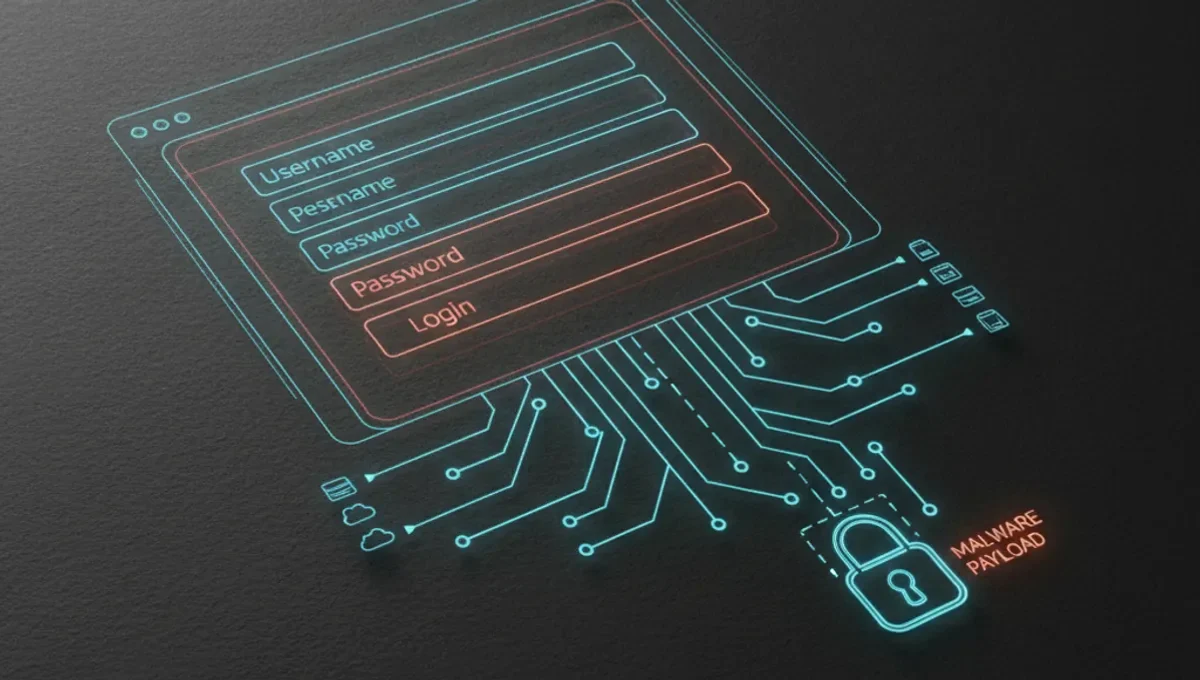
Telegram channel invitations and links circulate through forums, encrypted messaging groups, and social media. A typical chain looks like this: a channel admin posts an invite link on a forum, users share it in private chats, and eventually it reaches aggregator sites or directories that catalog deep web links. The problem is that phishing clones and scam channels exploit this distribution. A legitimate channel about leaked data might have five imposter versions with nearly identical names, each one designed to harvest credentials or distribute malware. Verification is difficult because Telegram usernames are not cryptographically signed. The best approach is to find the channel through multiple independent sources, check the member count and posting history for consistency, and verify any claims the channel makes through external sources. Never assume a channel is real because it appears in a directory or has many members.
Risks of Accessing Unverified Deep Web Content
Clicking a Telegram link from an unknown source carries several concrete risks. The link itself might be a phishing page designed to harvest your IP address or credentials. The channel might distribute malware disguised as video files or documents. You might inadvertently join a group that shares illegal content, which in many jurisdictions exposes you to legal liability even if you don't download anything. Malicious actors also use Telegram channels to conduct social engineering: they build trust over weeks, then ask members to install software, share payment details, or participate in scams. The best deep web practice is to assume that any channel offering something valuable for free is either a scam, a honeypot, or a legitimate research project with clear attribution. If a channel claims to have leaked data or exclusive videos, verify the claim independently before engaging. Use a dedicated virtual machine or a Tails session if you're testing a suspicious link.
Reality Layer: How This Ecosystem Actually Behaves
Three key insights shape how deep web Telegram video distribution works. First, according to Tor Project documentation and security vendor incident reports, most "deep web" Telegram activity is not actually hidden: it uses standard Telegram servers accessed through Tor or a VPN, which provides privacy but not anonymity from Telegram itself. This matters because law enforcement can subpoena Telegram for metadata, and Telegram has complied with requests in the past. Second, court records and law-enforcement press releases show that channels claiming to host leaked corporate data or government documents are frequently honeypots or scams. Users who download files often receive malware or nothing at all. Third, academic research on onion services and encrypted messaging shows that phishing and social engineering are more effective than technical attacks in this space. A well-crafted imposter channel with a similar name will attract more victims than a technically sophisticated exploit. Understanding these patterns helps you evaluate whether a source is worth the risk.
Distinguishing Real Content from Scams and Clones
When you encounter a deep web link to a Telegram channel claiming to have videos or documents, use this checklist to assess legitimacy:
- Check the channel's creation date and member count; new channels with thousands of members are suspicious.
- Review the posting history; legitimate channels have consistent, dated posts; scams often have sporadic activity or repeated identical messages.
- Search for the channel name on multiple platforms; if it appears only on one aggregator site, it may be a clone.
- Look for PGP-signed announcements or links to an official website; legitimate projects publish verification methods.
- Test with a small, low-risk action first; if the channel asks for payment or credentials immediately, leave.
- Cross-reference any leaked data claims with news sources or security databases; real leaks are usually reported by journalists or researchers.
Scammers often use urgency and exclusivity as tactics. A message like "Only 10 spots left, send payment now" is a red flag. Legitimate research or leaked data is usually shared freely or with clear attribution.
Legal and Safety Considerations
Accessing deep web Telegram videos carries legal risks that vary by jurisdiction. In most countries, viewing leaked corporate data or government documents is not itself illegal, but downloading and distributing it can be. Viewing illegal content such as recordings of violence or exploitation is illegal in virtually all jurisdictions, regardless of where the content is hosted. The challenge is that you may not know what a video contains until you download it, and by then you may have already committed a crime. Law enforcement agencies monitor Telegram channels and have arrested users for accessing and distributing illegal material. If you're researching this topic for security awareness or journalism, document your process, use a dedicated device or virtual machine, and consider consulting a lawyer in your jurisdiction. If you stumble upon illegal content, report it to the National Center for Missing and Exploited Children (NCMEC) or your local law-enforcement agency rather than sharing it further.
Safe Research Practices for the Best Deep Web Understanding
If you're trying to understand how deep web links and Telegram videos circulate for security research or professional reasons, follow these steps to minimize risk and gather reliable information:
- Use a dedicated virtual machine running Tails or Whonix; never access deep web content on your main device.
- Connect through Tor Browser, not a VPN alone; Tor provides better isolation for this type of research.
- Join channels only after verifying them through multiple independent sources and official announcements.
- Do not download files unless you can scan them with a sandboxed malware analysis tool first.
- Take notes on channel names, member counts, and posting patterns rather than downloading content.
- Report suspicious channels to Telegram's abuse team and to relevant security organizations.
The goal is to gather intelligence about how the ecosystem works without exposing yourself to malware, legal liability, or deanonymization. Many security researchers and journalists do this work successfully by treating it as a technical investigation rather than a casual browse.
Moving Forward: Verify Before You Trust
Deep web Telegram videos are a real phenomenon, but the channels that distribute them are heavily infiltrated by scammers, malware distributors, and law enforcement. The core takeaway is this: if a Telegram channel promises you access to exclusive videos or leaked data, assume it is either a scam or a honeypot until you have verified it through multiple independent, trusted sources. The best deep web practice is skepticism combined with technical caution. If you need to research this topic, use isolated devices, verify claims externally, and document your process. If you're simply curious about how the ecosystem works, reading security research and news reports is safer and more informative than joining channels directly. Start by visiting the Useful Resources page on this site to find verified links to security organizations and Tor Project documentation that explain how onion services and encrypted messaging actually work.
Frequently asked questions
Are deep web Telegram videos real or mostly scams
Both exist. Legitimate leaked data, security research, and whistleblower material do circulate on Telegram. However, the majority of channels claiming to have exclusive videos are scams, honeypots, or malware distributors. Verify any channel through multiple independent sources before trusting it.
Is it illegal to watch videos on deep web Telegram channels
It depends on the content and your jurisdiction. Viewing leaked corporate data is usually legal; distributing it may not be. Viewing illegal content such as recordings of violence or exploitation is illegal in most countries. When in doubt, consult a lawyer in your jurisdiction.
How do I know if a Telegram channel is a phishing clone
Check the channel's creation date, member count, and posting history. Clones often have new accounts, sudden membership spikes, or repetitive messages. Search the channel name on multiple platforms. Legitimate channels usually have official verification methods or links to a website with PGP-signed announcements.
What is the safest way to research deep web Telegram content
Use a dedicated virtual machine running Tails or Whonix, connect through Tor Browser, and verify channels through multiple independent sources before joining. Do not download files unless you can scan them with a sandboxed malware analysis tool. Take notes instead of downloading content.
Can law enforcement track me if I join a deep web Telegram channel
Telegram can provide metadata to law enforcement, and channels are sometimes monitored by authorities. Tor Browser provides better privacy than a VPN alone, but it does not guarantee anonymity. If you access illegal content, you are at risk of investigation regardless of which tools you use.