What a Deep Web Store Was
Deep web stores were online marketplaces accessible only through the Tor browser, operating as centralized platforms where buyers and sellers met under pseudonyms. Unlike surface web e-commerce sites, they did not require identity verification, used cryptocurrency for transactions, and hosted listings for both legal and illegal goods. The best deep web stores employed escrow systems, where the platform held cryptocurrency until a buyer confirmed receipt, theoretically protecting both parties from fraud. Most operated as .onion sites, meaning their addresses were hidden and their traffic was routed through multiple Tor relays. The stores typically charged vendors a fee to list items and took a percentage of each sale. Some of the most notorious operated for years before being seized by law enforcement or closing in exit scams, where operators disappeared with customer funds.
How Vendors and Buyers Used These Platforms
Vendors on deep web stores created accounts, uploaded product listings with descriptions and photographs, and waited for orders. Buyers browsed listings, placed orders through the platform interface, and sent cryptocurrency to an escrow address controlled by the marketplace. Communication between buyer and vendor often occurred through encrypted messaging built into the platform or external tools like PGP-encrypted email. Once a buyer received goods, they would confirm the transaction, triggering the release of funds to the vendor minus the platform fee. Dispute resolution was handled by marketplace moderators or administrators, though this process was often opaque and favored the platform operator. The best deep web market operators maintained forums where users could discuss vendors, report scams, and post feedback. This reputation system was critical because there was no legal recourse if a transaction went wrong. Vendors who received consistent positive feedback could charge premium prices and build a loyal customer base.
Security Model and Anonymity Claims
Deep web stores marketed themselves as providing anonymity to both buyers and vendors through Tor's routing and cryptocurrency transactions. However, this anonymity was fragile and often overstated. The Tor Project documentation makes clear that Tor protects against network-level surveillance but does not protect against poor operational security by users or against attacks on the application layer. Vendors who reused usernames across platforms, posted identifying information, or failed to use PGP encryption could be deanonymized through traffic analysis or social engineering. Cryptocurrency transactions, while pseudonymous, leave permanent records on the blockchain that law enforcement can analyze using chain analysis tools. Many deep web store operators maintained logs of user activity, IP addresses (if they misconfigured their servers), and transaction details. When law enforcement seized these platforms, they obtained databases containing years of transaction history, vendor profiles, and shipping addresses. Users who believed they were completely anonymous often discovered otherwise during arrests or data leaks.
Why These Platforms Failed or Were Seized
Law enforcement agencies worldwide targeted deep web stores as part of coordinated operations against darknet markets. The FBI, DEA, and international partners conducted investigations by infiltrating platforms, purchasing test items to trace shipping addresses, and analyzing blockchain transactions. Several major stores were seized after years of operation, with administrators arrested and charged with money laundering, drug trafficking, or operating unlicensed money transmitting businesses. Others closed voluntarily when operators realized they were under investigation or when technical vulnerabilities were discovered. Exit scams were common, where administrators suddenly shut down the platform and kept all cryptocurrency held in escrow. Users lost significant sums in these collapses because there was no insurance, no regulatory protection, and no way to recover funds. The closure of top deep web markets created a fragmented ecosystem where smaller, less stable platforms proliferated, increasing the risk for users. Each successive seizure demonstrated that even sophisticated operational security could not protect against determined law enforcement investigation.
Reality Check: What Actually Happened to Users
According to court records from major darknet prosecutions, thousands of users lost money when deep web stores closed or were seized. Vendors who had accumulated cryptocurrency in their accounts found it frozen or confiscated. Buyers who had pending orders never received goods and had no recourse. Some users were identified through blockchain analysis combined with shipping address data, leading to arrests for drug possession or distribution. Security-vendor incident reports on darknet marketplace breaches have documented cases where user databases were leaked, exposing usernames, email addresses, and transaction histories. The Tor Project has published guidance on why Tor alone does not guarantee anonymity when combined with poor operational security or mistakes in cryptocurrency handling. Law enforcement press releases consistently emphasize that marketplace operators and high-volume vendors are the primary targets, but users are not immune to identification if they make mistakes or if the platform is compromised. This matters because it shows that participation in deep web stores carried real legal and financial risk, not just theoretical risk.
Phishing Clones and Impersonation
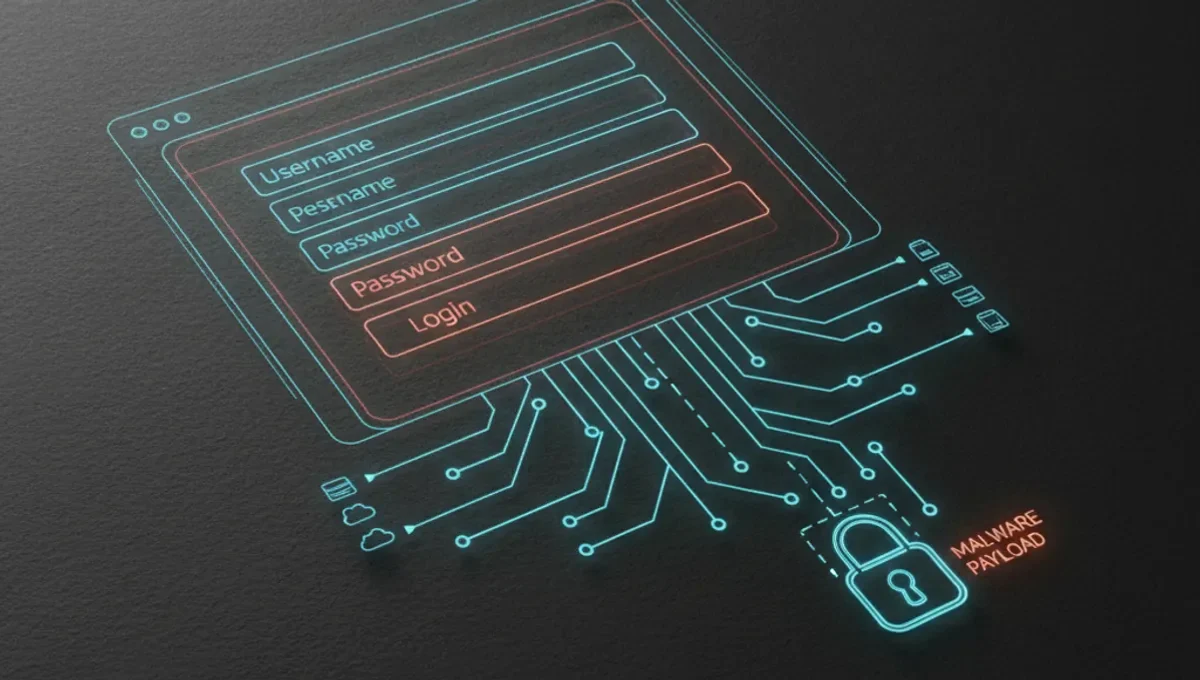
As legitimate deep web stores gained reputation, criminals created fake versions to steal cryptocurrency and personal information. Phishing clones were often hosted at similar-looking .onion addresses, with nearly identical interfaces and vendor listings. Users who bookmarked the wrong address or followed a link from an untrusted source could deposit cryptocurrency into a scammer's wallet. Some clones were sophisticated enough to accept orders and collect shipping addresses before disappearing. Verifying the correct address of a deep web store required checking PGP-signed announcements from official channels, which many users did not do. Vendors sometimes lost access to their accounts on clones and had their reputation hijacked by scammers. The proliferation of clones made the best deep web links difficult to distinguish from fraudulent ones. This problem persisted because there was no centralized, trusted directory and because Tor addresses are long, random strings that are hard to memorize or verify visually. Users who fell victim to clones had no way to report the fraud to a consumer protection agency.
What Replaced Deep Web Stores and Why
After major platforms were seized, the darknet market structure evolved into smaller, more distributed models. Some vendors moved to forums where they advertised directly, reducing the platform operator's role. Others used encrypted messaging apps like Signal or Telegram to conduct transactions outside any centralized marketplace. The decentralization made law enforcement investigations harder but also increased risk for buyers, who had no escrow protection and no reputation system. New platforms emerged with different operational models, some claiming to have better security or different governance structures, but all faced the same fundamental vulnerabilities. The top deep web alternatives today are less stable and less transparent than the original stores, partly because operators learned that maintaining detailed records and user data was a liability. Some users returned to surface web darknet markets that used similar technology but operated from jurisdictions with different enforcement priorities. The shift away from centralized deep web stores did not eliminate darknet commerce; it simply made it less visible and more fragmented. Understanding this evolution is important for recognizing that the threat landscape continues to change and that no platform is permanently safe.
What You Should Know Before Exploring
If you are researching darknet markets for security awareness, academic purposes, or monitoring threats to your organization, focus on understanding the technology and risks rather than attempting to access active platforms. Read public court documents, law enforcement reports, and security research from established vendors to learn how these systems actually worked. Verify any .onion address through official PGP-signed announcements and the Useful Resources page of this site before visiting. Never assume that anonymity is complete or that your cryptocurrency transactions are untraceable. If you are concerned about your data appearing in a leaked database from a closed marketplace, use a data breach monitoring service and consider freezing your credit. Understand that accessing deep web stores for illegal purposes carries serious criminal penalties in most jurisdictions. The best deep web web resources for learning are educational sites, archived court filings, and technical documentation from the Tor Project, not active marketplaces. Your security depends on understanding these risks clearly, not on finding the newest or most active platform.
Frequently asked questions
What was the biggest deep web store
Several large platforms operated over the years, but their names and current status change as they are seized or close. Court records and law enforcement press releases document the largest operations, but I cannot recommend accessing any active marketplace. Check the Useful Resources page of this site for verified information sources.
How did deep web stores get shut down
Law enforcement infiltrated platforms, purchased test items to trace shipping, analyzed blockchain transactions, and obtained server logs and user databases. Administrators were arrested and charged with money laundering and operating unlicensed money transmitting businesses. Seized platforms revealed that even sophisticated operational security could not prevent identification by determined investigators.
Can you get caught using a deep web store
Yes. Law enforcement has identified and arrested users through blockchain analysis, shipping address data, and server logs obtained during platform seizures. Tor protects against network surveillance but not against mistakes in operational security or against application-layer attacks. Users who reused usernames or failed to use PGP encryption were particularly vulnerable.
Are deep web stores still operating
The structure of darknet commerce has evolved into smaller, more distributed models. Some platforms continue to operate, but their status changes frequently due to seizures, exit scams, and technical failures. Verify current information through law enforcement announcements and security research rather than attempting to access active sites.
How did vendors get paid on deep web stores
Vendors received cryptocurrency after buyers confirmed receipt of goods. The platform held funds in escrow during the transaction, then released them minus a fee. However, when platforms were seized or closed in exit scams, vendors lost access to their accumulated funds with no way to recover them.